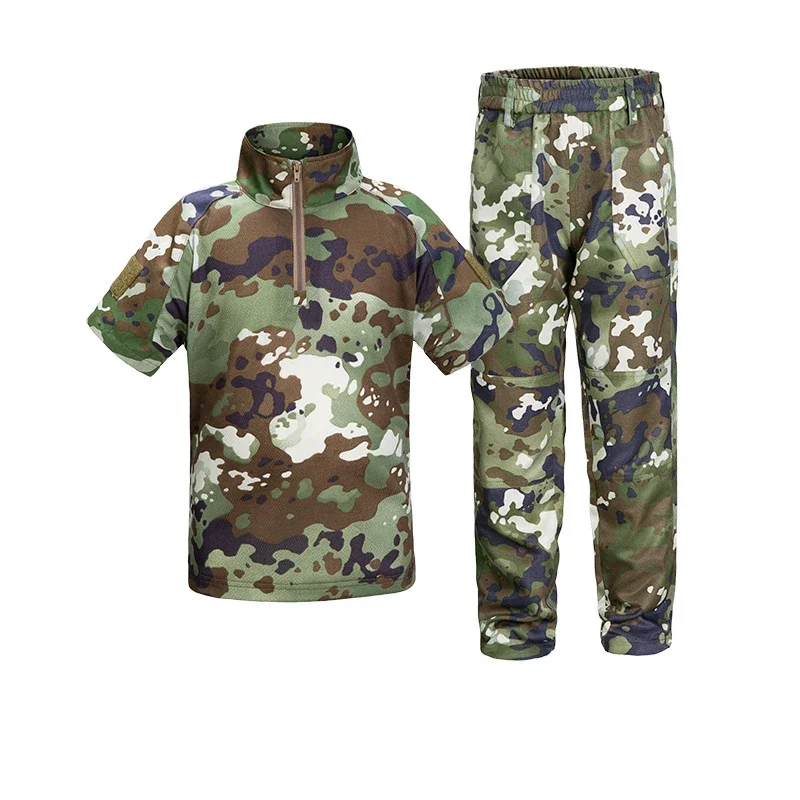
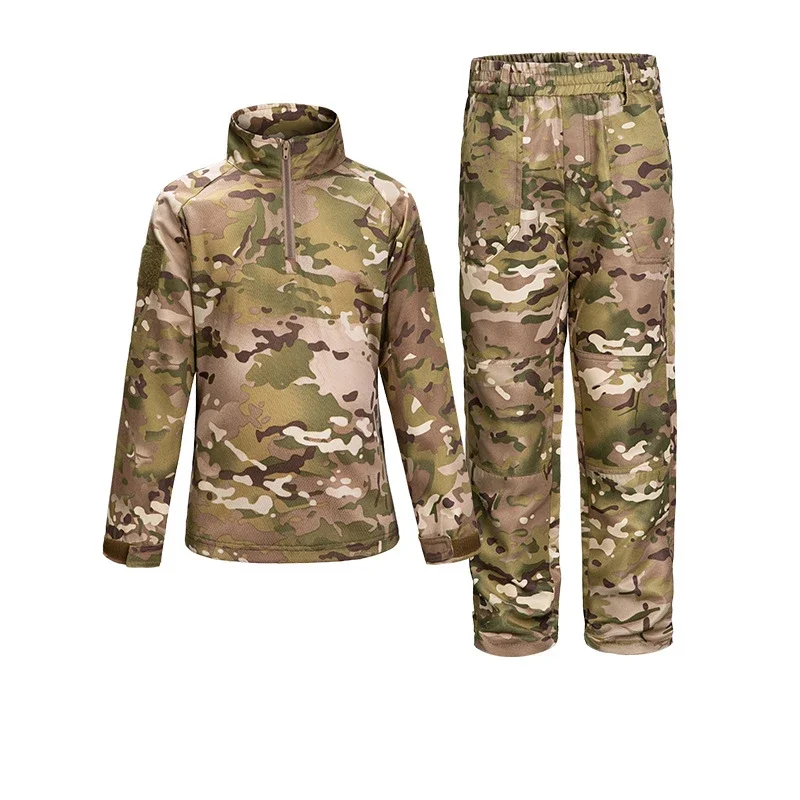
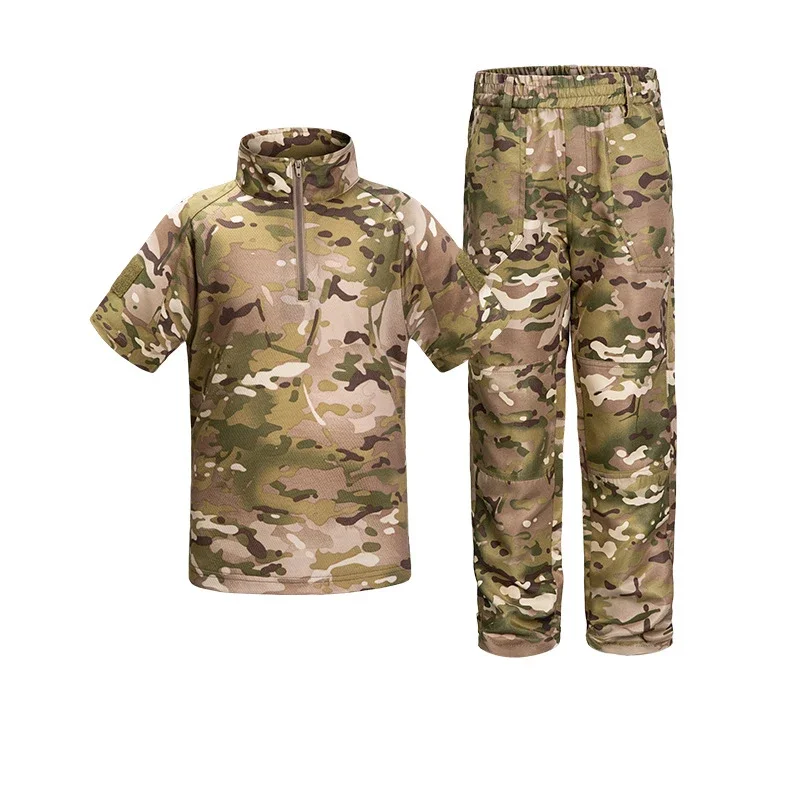
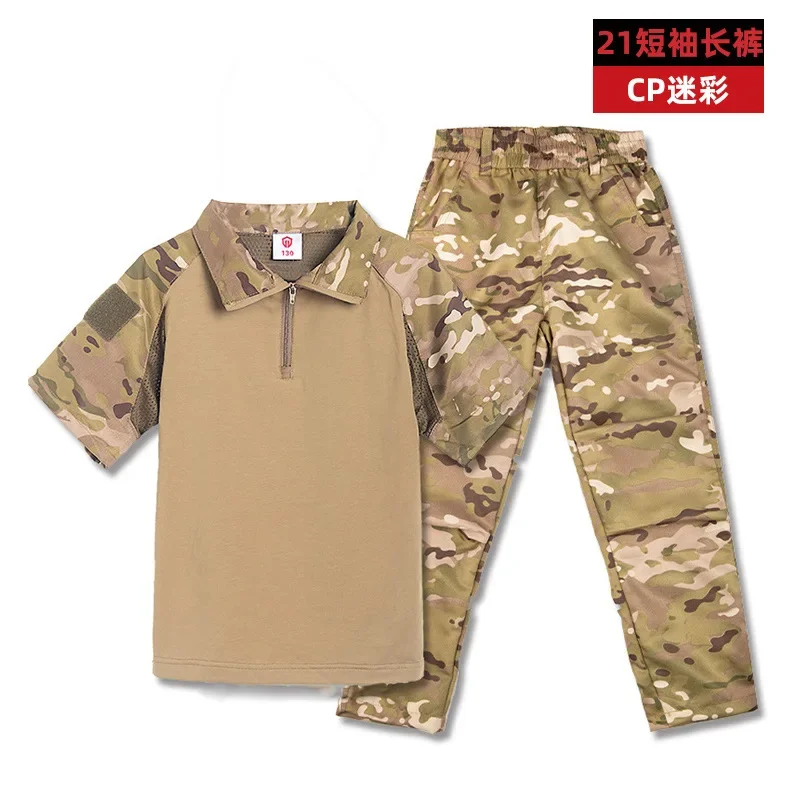
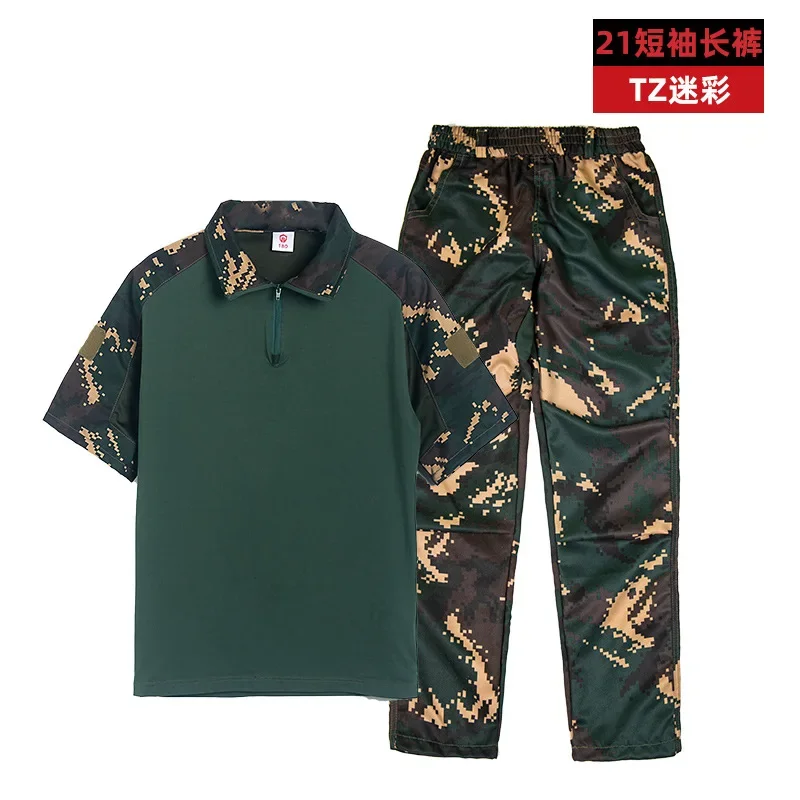
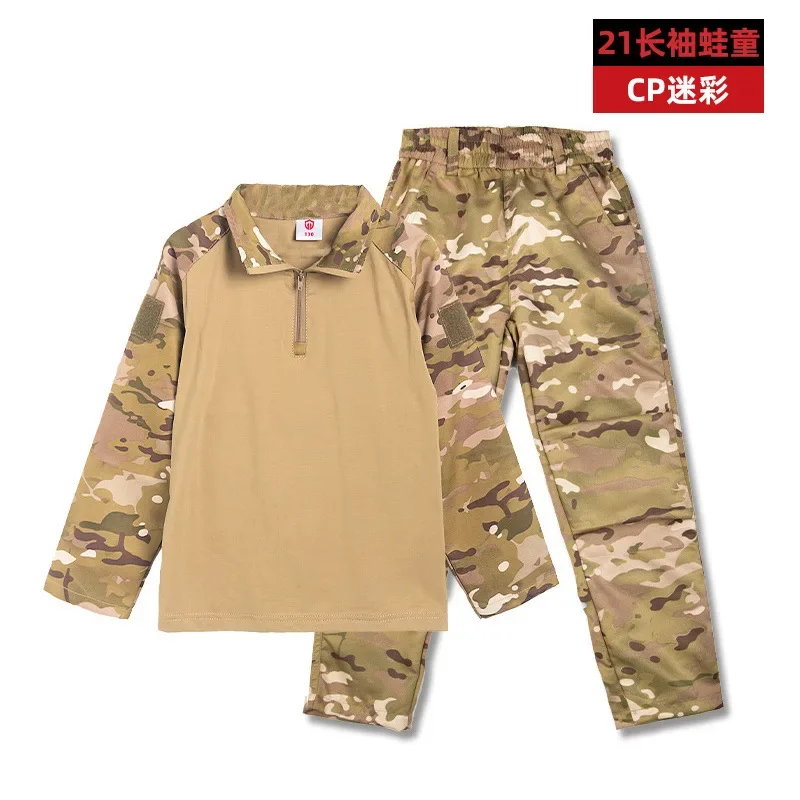
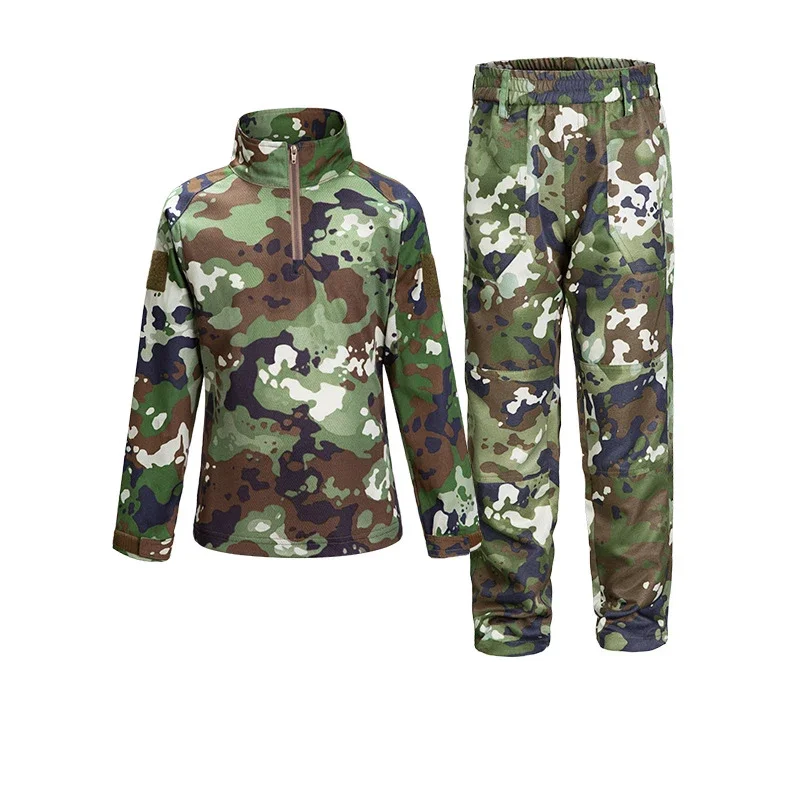
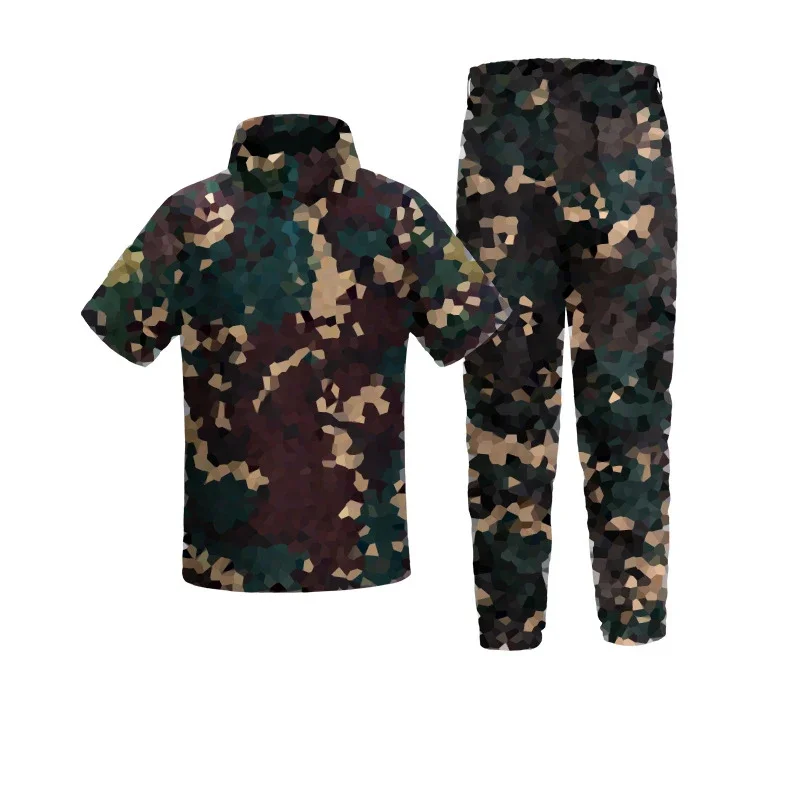
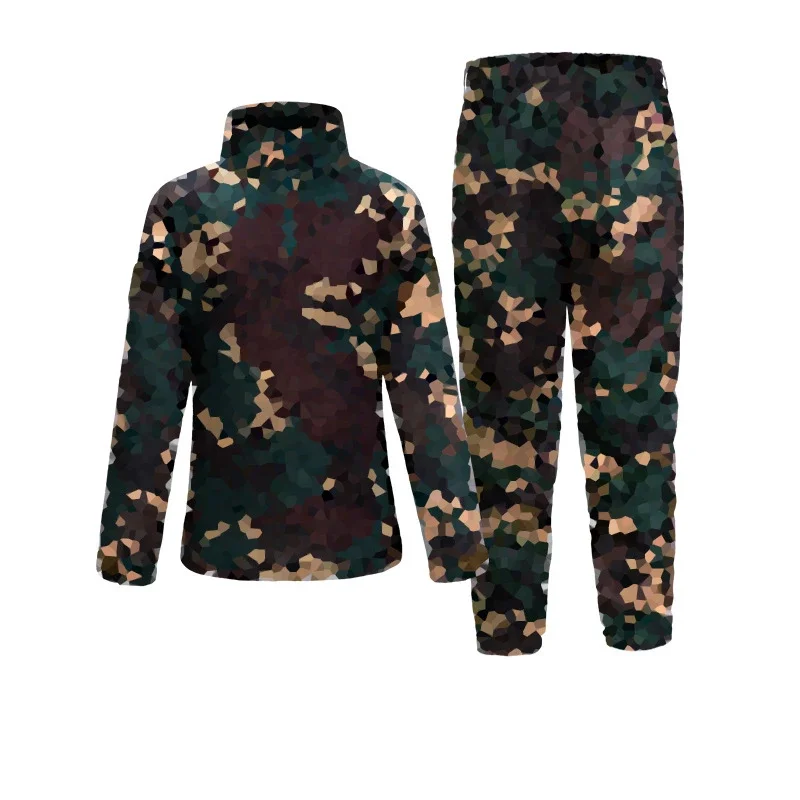
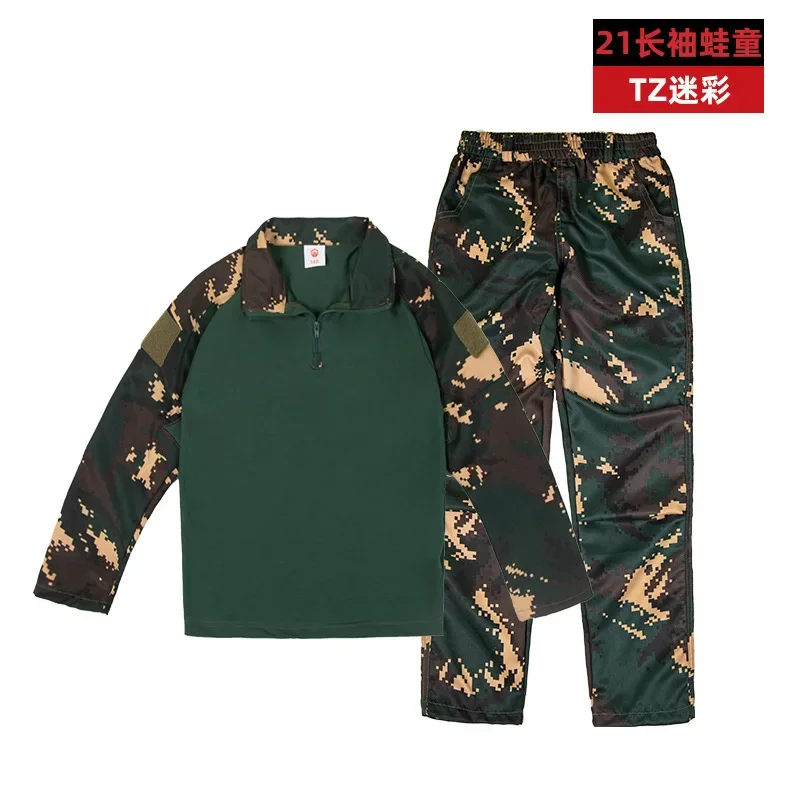
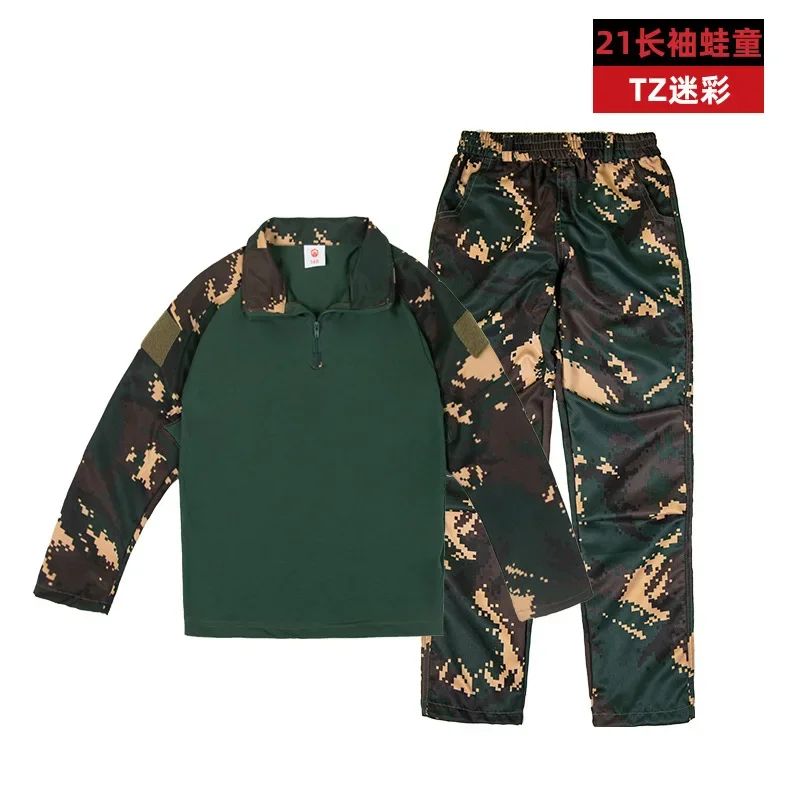
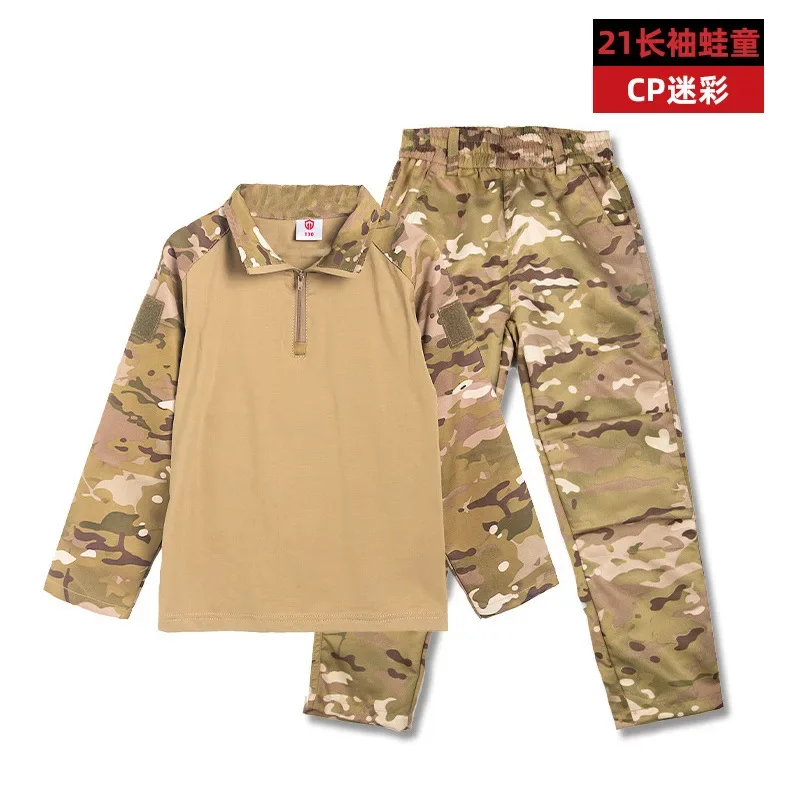
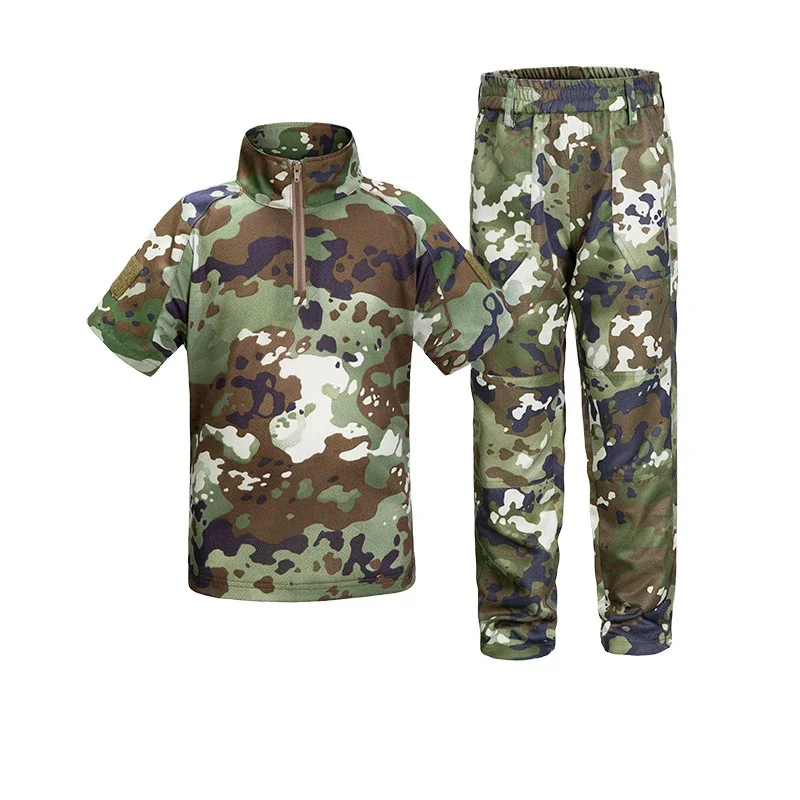
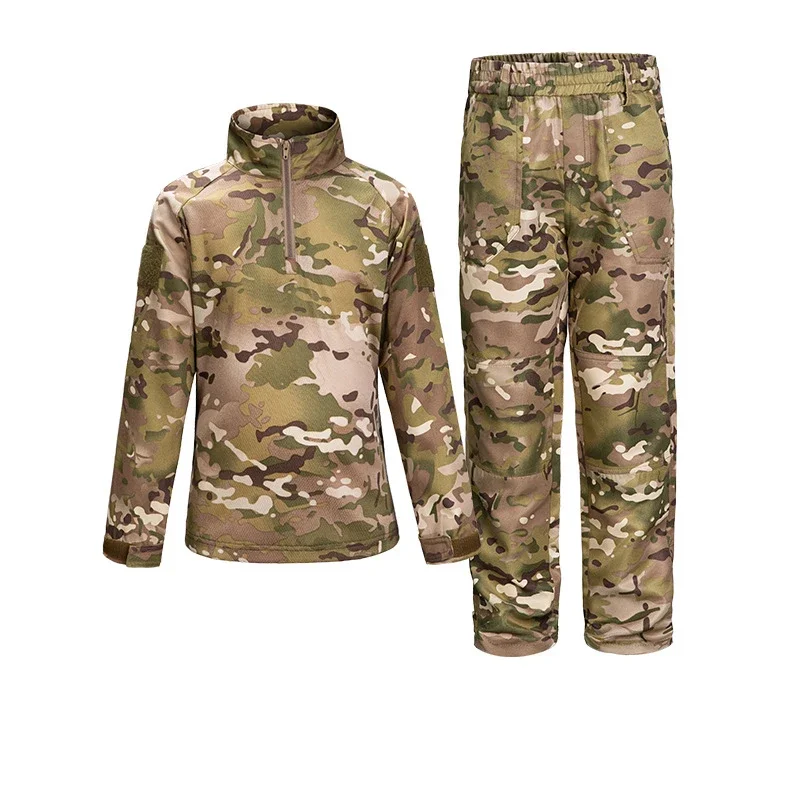
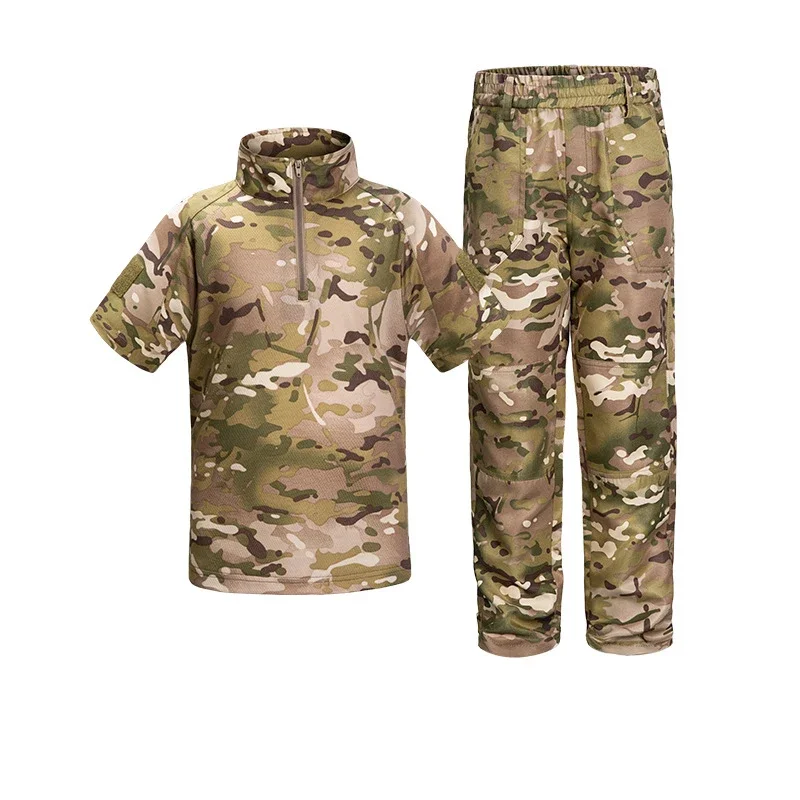
A- Military tactical uniform
89,99 €

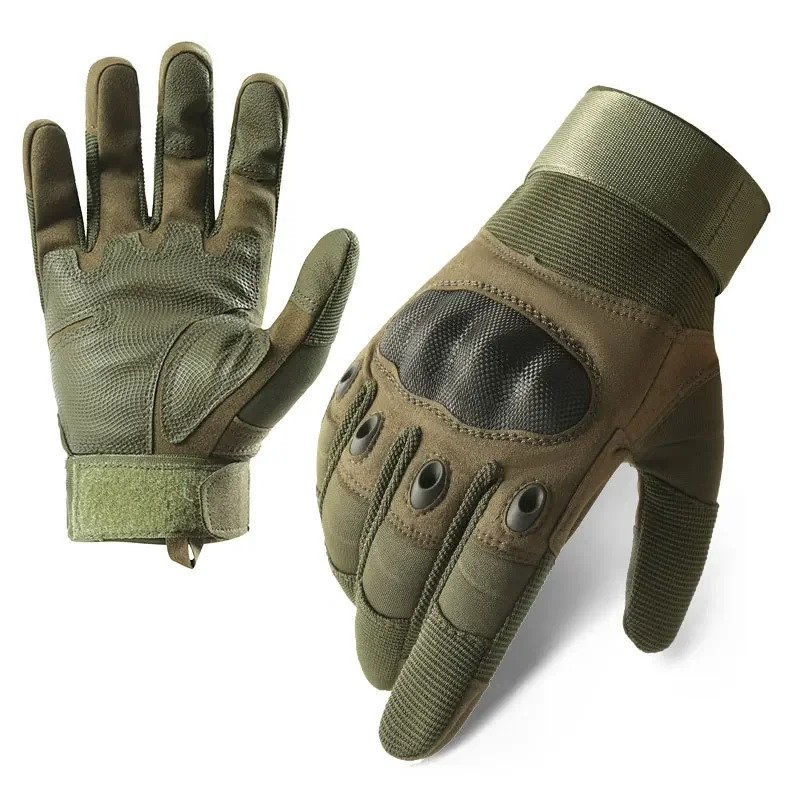
Military Clothing: Between Functionality and Symbolism. Military clothing is designed to meet strict requirements, both in terms of performance and durability. These garments are not only protective tools, but they also carry a strong symbolic weight. Indeed, beyond their utilitarian function, they represent a soldier’s identity, belonging to a unit or nation, and the discipline imposed by the armed forces. 1. Functionality and Design. The main objective of military clothing is to guarantee the safety and effectiveness of soldiers in the field. They are designed to withstand extreme conditions: from the freezing cold of the mountains to the stifling heat of the deserts. Each piece of clothing has a specific function. Combat Uniforms: Made from durable fabrics, often cotton or modern synthetic materials such as polyester and nylon, these uniforms are designed to be lightweight, breathable, and wear-resistant. They are also treated to be water and fire resistant. Camouflage is a key element of these uniforms, varying depending on the terrain and region where the soldier is deployed. Camouflage allows soldiers to blend into their surroundings and increases their chances of survival in hostile environments. Protective clothing: Soldiers often wear specialized equipment to protect themselves from specific threats. This includes body armor, helmets, reinforced gloves, tactical boots, and sometimes NBC (nuclear, biological, and chemical) suits for protection against chemical or radiological attacks. Footwear and boots: Military footwear is robust, designed to withstand rough terrain while providing long-term comfort and support. Boots are often reinforced to prevent foot and ankle injuries and are adapted to different types of terrain, whether muddy, sandy, or rocky. 2. Innovation and technology: Military clothing has evolved over the decades thanks to technological advancements. Innovation is omnipresent in equipment development, with increasingly sophisticated materials incorporating advanced functions: antibacterial and antifungal fibers: to prevent infections and improve comfort, many uniforms now incorporate special fibers capable of limiting the proliferation of bacteria and fungi, particularly important during long field missions. Air conditioning and refrigeration systems: devices for regulating body temperature have been added to some equipment. For example, jackets equipped with portable air conditioning systems can maintain a stable body temperature even in extreme heat. Connected textiles:Recent research focuses on textiles capable of monitoring a soldier’s health in real time, such as t-shirts or vests incorporating sensors to track vital signs, hydration, or fatigue. 3. The symbolism of military clothing: Beyond their utilitarian function, military clothing also has an important symbolic dimension. It embodies belonging to a unit or armed force and conveys values such as discipline, courage, and loyalty. Insignia and rank insignia: Military uniforms are often decorated with distinctions that indicate the soldier’s rank, specialty, and achievements. These insignia are a mark of recognition and allow for differentiation between the various hierarchical levels within the military. Colors and camouflage patterns: Each armed force has its own camouflage pattern, which is not only functional but also representative of a country’s military identity. For example, the American military uniform is often recognizable by its numerical patterns, while special forces use designs more suited to specific operations. Ceremonial uniforms: During official events, military personnel often wear specific, more elaborate uniforms representing the discipline and dignity of the armed forces. These outfits are generally adorned with decorations, medals, and other distinctive elements. 4. The influence of military clothing on fashion: Military clothing had a considerable influence on civilian fashion during the 20th century. Many fashion designers drew inspiration from military uniforms to design everyday clothing, and the military style, or “military chic,” appeared in fashion collections. The famous cargo pants, military jackets, and parkas became essential pieces in civilian wardrobes. This phenomenon reflects an interest in practicality, robustness, and an aesthetic that combines function and style. Furthermore, military fashion has often been associated with a certain form of rebellion or nonconformity, symbolizing both strength and resilience. 5. Challenges and Issues Despite technological advancements, several challenges remain in the field of military clothing. Comfort remains a major concern, particularly in areas where soldiers are required to wear their uniforms for extended periods. Furthermore, terrain conditions and environmental demands necessitate the constant renewal of equipment to ensure it remains suitable for current needs. Another challenge lies in durability. Military clothing must be both strong and lightweight, capable of withstanding extreme conditions of use, while also being easy to maintain and repair.In conclusion, military clothing is much more than just combat gear. It is an indispensable tool that guarantees the safety and performance of soldiers, while conveying fundamental values such as unity, discipline, and strength. Furthermore, the influence of military clothing on civilian fashion testifies to the cultural and aesthetic impact of these garments, which, through their functional design, continue to inspire designers and consumers. In the future, technological innovations should continue to transform these garments to meet the increasingly complex challenges of modern battlefields.
Related products
-
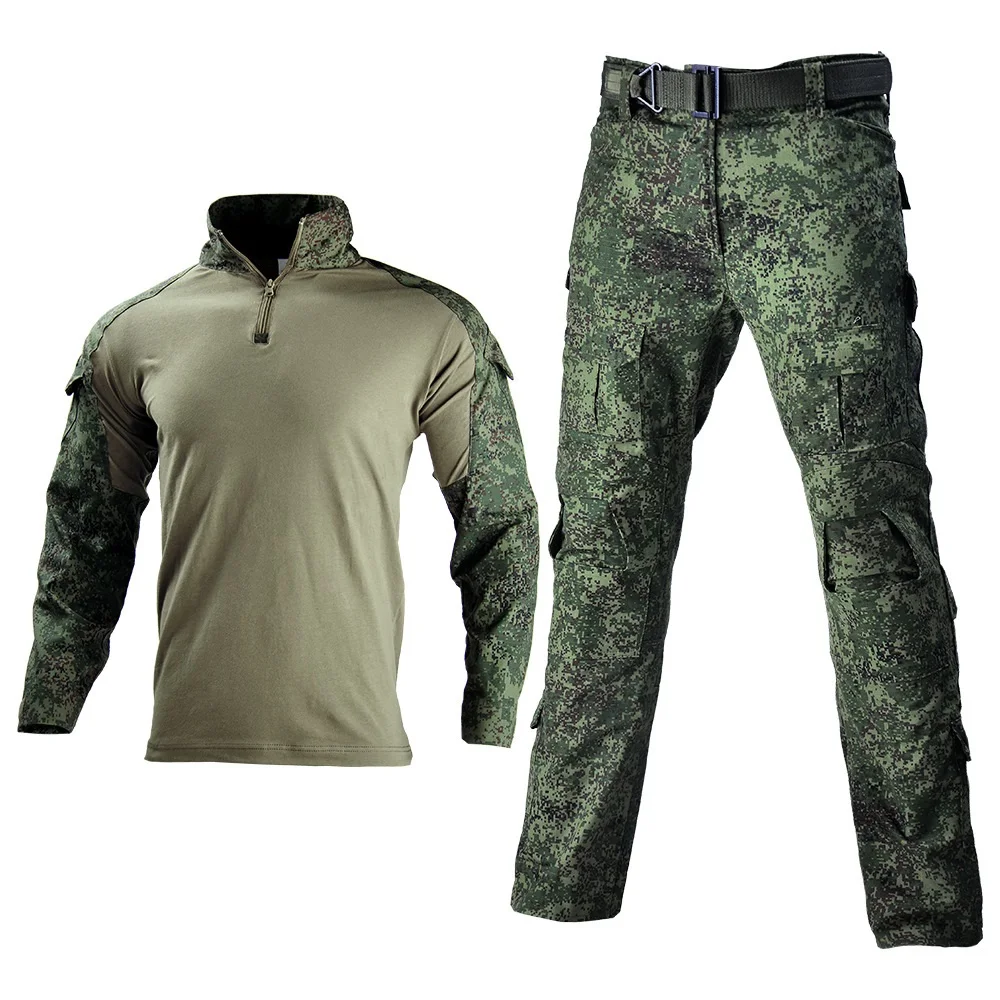 99,99 € Select options This product has multiple variants. The options may be chosen on the product page
 -
 49,99 € Select options This product has multiple variants. The options may be chosen on the product page