


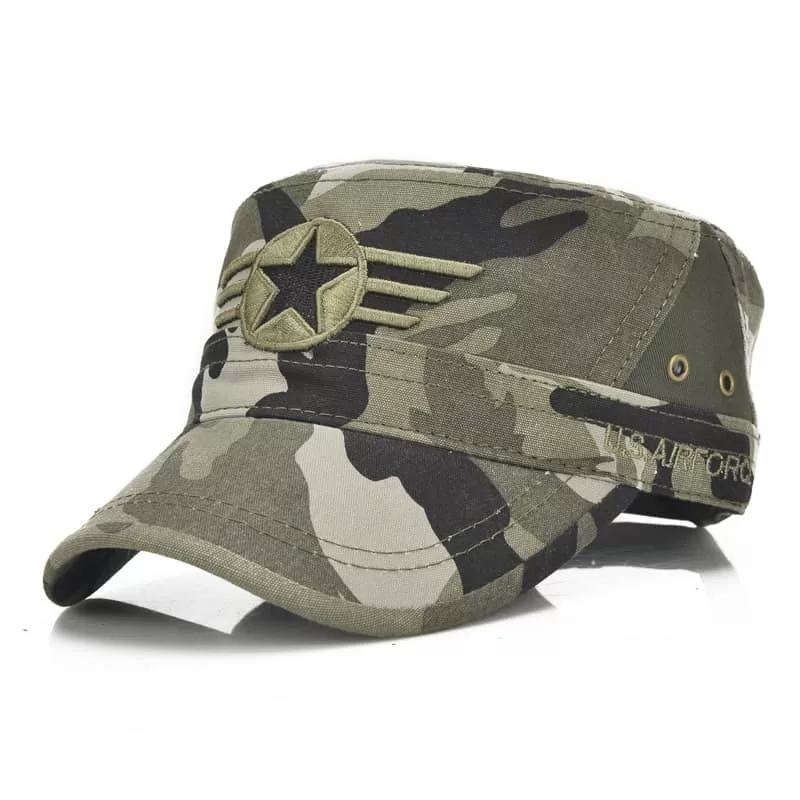
US Marines cap
19,99 €

Military accessories: an essential part of field equipment. Military accessories play a crucial role in the smooth running of field operations. They are not limited to secondary tools but constitute an integral part of a soldier’s equipment. These accessories are designed to improve the performance, safety, and survivability of troops in often hostile environments. 1. Categories of military accessories. Military accessories are divided into several categories according to their usefulness: a. Protective accessories. These items include equipment such as: ballistic helmets: protect the head against projectiles and shrapnel; body armor: offers vital protection against gunfire and explosions; protective eyewear: protects the eyes against shrapnel, dust, and UV rays. b. Communication accessories. Coordination is essential in the field. Tools such as: portable radios: enable real-time communication; encryption systems: ensure secure transmissions; headsets with integrated microphones: facilitate communication without compromising mobility. c. Military GPS navigation accessories: provide accurate data for missions. Compasses: essential in case of electronic system failure. Topographic maps: used for route planning. d. Survival accessories: in extreme conditions, soldiers must rely on equipment such as: first aid kits: including bandages, antiseptics, and emergency medications; survival rations: high-energy food to sustain them over the long term; water filters: essential for purifying water from unsafe sources. e. Weapon accessories: these items improve weapon effectiveness: scopes: improve shooting accuracy; silencers: allow for stealthy operations; tactical grips: offer a better grip. 2. Materials and technology: military accessories are made from durable and lightweight materials, such as Kevlar, polycarbonate, and reinforced steel. With technological advancements, much equipment now includes electronic components, such as night-vision goggles or infrared detection systems. 3. The evolution of military equipment: Historically, military equipment was simple and rudimentary, but its complexity has increased with technological advancements. For example, wooden compasses have been replaced by advanced GPS systems. Metal helmets are now made of composite fibers for better protection and reduced weight. 4. Use in modern conflicts: In modern warfare,Where tactics and combat environments change rapidly, military accessories offer soldiers a strategic advantage. Reconnaissance missions, special operations, and urban interventions all require accessories adapted to each situation. 5. Market and Accessibility: Beyond the military, military accessories also appeal to survivalists, law enforcement, and even civilians for activities such as camping and hiking. The market offers versions tailored to these audiences while respecting certain legal restrictions on specific accessories. In conclusion, military accessories are not mere additions, but crucial elements that enhance soldiers’ capabilities. Their role is to guarantee not only mission success but also the safety and well-being of troops. With continuous technological advancements, these accessories will become even more sophisticated and indispensable in future operations.
Related products
-
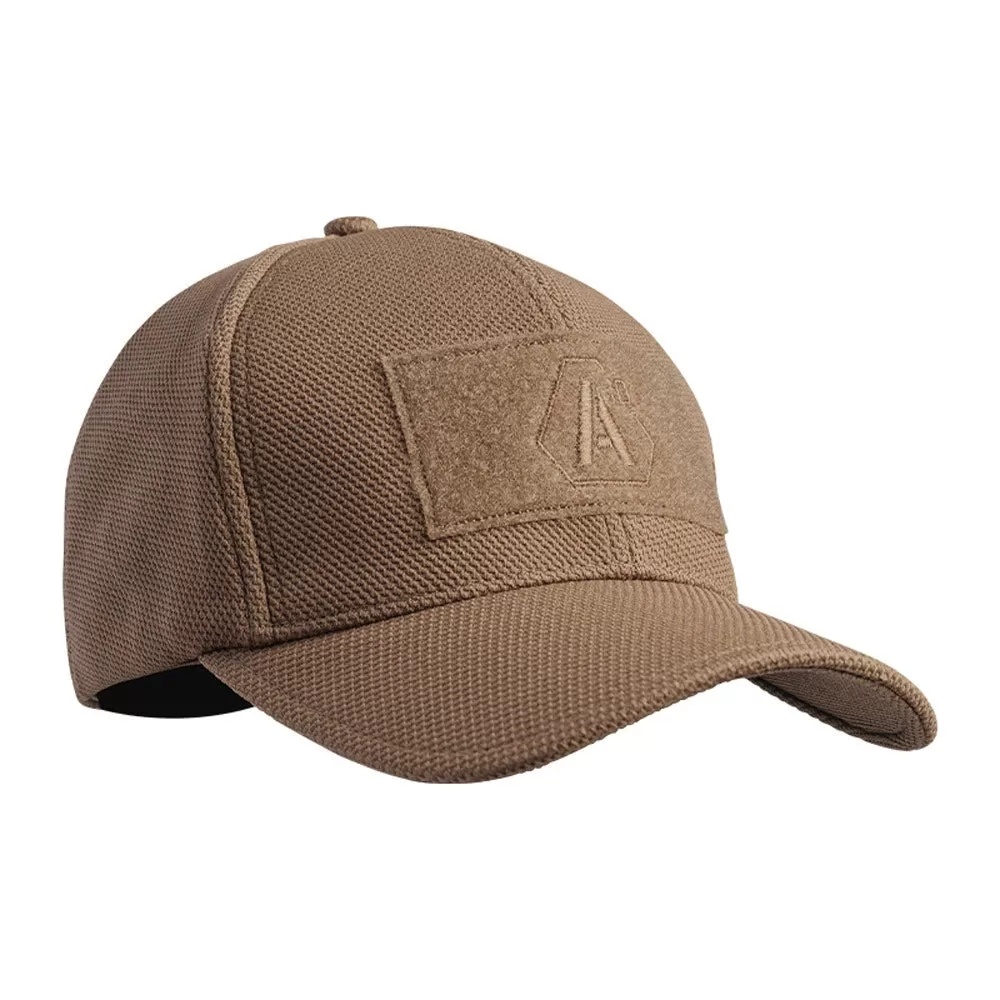 18,99 € Select options This product has multiple variants. The options may be chosen on the product page
 -
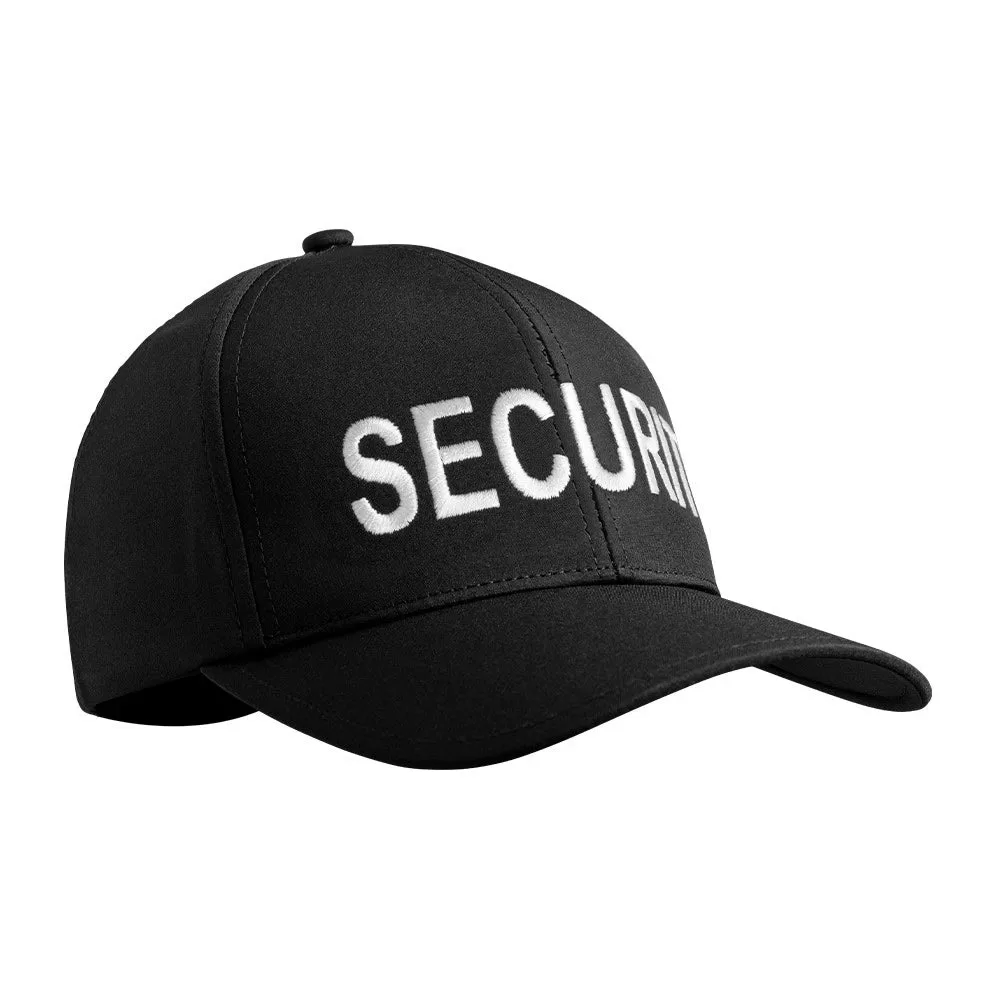 9,49 € Select options This product has multiple variants. The options may be chosen on the product page
 -
 19,99 € Select options This product has multiple variants. The options may be chosen on the product page
 -
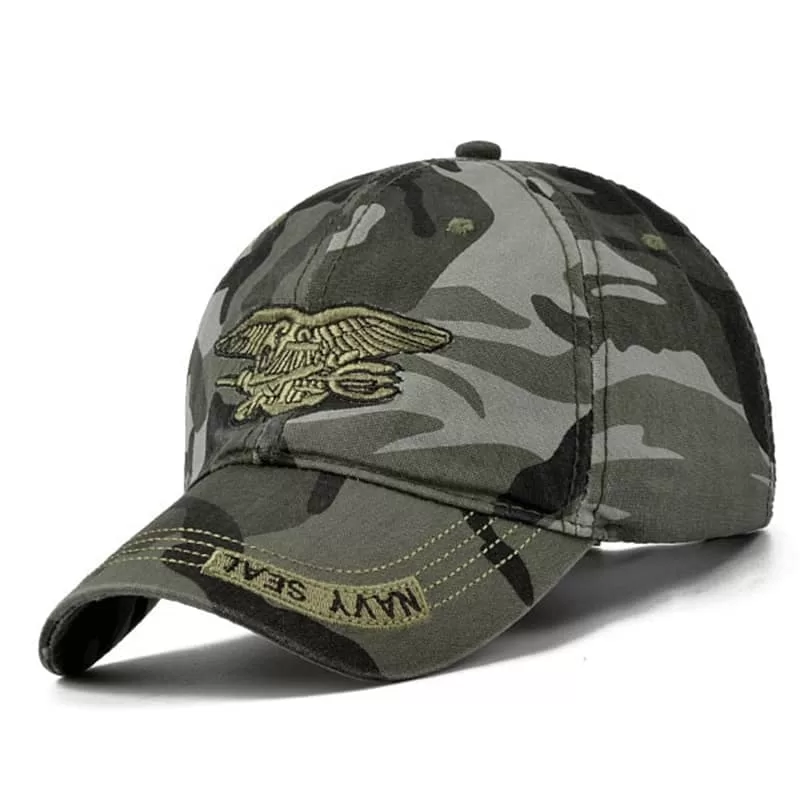 19,99 € Select options This product has multiple variants. The options may be chosen on the product page